Best Smart Drones for Agricultural Use
As a farmer, I understand the importance of making informed decisions about technology that can significantly enhance productivity. In recent years, smart drones have revolutionized farming by providing invaluable insights into crop health, soil quality, and more. Choosing the right drone tailored to agricultural needs is essential, ensuring you get the most out of your investment. This guide will help you navigate through the best options available, comparing features, benefits, and real user experiences to make an informed choice.
Table of Contents
1The Importance of Choosing the Right Drone
Smart drones are more than just flying cameras; they are powerful tools that can enhance agricultural efficiency. With applications in crop monitoring, spraying, and mapping, having the right drone can help farmers maximize yields and minimize waste. For instance, drones equipped with multispectral cameras can provide insights into crop health that would be difficult to capture from the ground. Investing in the right technology can lead to better decision-making and improved productivity on your farm. Thus, understanding the various features and benefits of different models is crucial to making an informed choice.
2Key Selection Criteria for Agricultural Drones
When selecting a smart drone for agricultural use, consider the following criteria:
1. Payload Capacity: Evaluate the drone’s ability to carry necessary equipment for tasks like spraying or sensor equipment for data collection.
2. Flight Time: Longer flight times allow for covering larger areas without needing to recharge or land frequently.
3. Camera Quality: A high-quality camera provides detailed images, which are vital for assessing crop health and planning.
4. Ease of Use: Look for user-friendly interfaces and features such as automatic flight modes that can make operation easier, especially for beginners.
5. Durability and Weather Resistance: Drones used in agriculture may be exposed to different weather conditions, so choosing a model that's rugged and can withstand various elements is key.
These factors can significantly influence the drone’s performance and your overall satisfaction with its use in agricultural practices.
3Our Top Picks for Agricultural Drones
Fly Drones Like a Pro – Beginner to Intermediate
Alison US CA
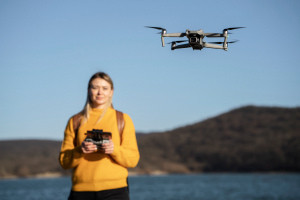
This course provides essential training for drone enthusiasts and beginner farmers alike, encompassing the skills needed for effective drone operation in agricultural settings.
Pros
- Comprehensive content covering all aspects of drone operation
- Accessible format for all skill levels
- Real-world applications in agriculture
- Flexible online learning environment
Cons
- No physical drone provided
- Limited to online training without hands-on practice
Introduction to Drones
Alison US CA
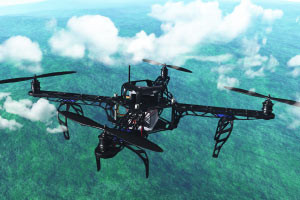
An excellent entry-level course that introduces the fundamentals of drone technology, application, and operational protocols, ideal for agricultural use.
Pros
- Covers basic drone operation techniques
- Focus on agricultural applications
- User-friendly content structure
- Great for beginners looking to enter the field
Cons
- Limited advanced features coverage
- No practical flying experience provided
Fly Drones Like a Pro – Beginner to Intermediate
Alison US CA
This advanced course aims to elevate your knowledge of drone operations and applies advanced techniques beneficial for agricultural settings.
Pros
- In-depth coverage of drone functionalities
- Advanced operational techniques
- Relevant agricultural case studies
- Prepared for real-world application
Cons
- Requires prior basic drone knowledge
- Focus on theory may overshadow practical application
Introduction to Drones
Alison US CA
This course provides fundamental insights into drone technology and is designed to help beginners understand how drones can benefit agricultural practices.
Pros
- Great starting point for new users
- Explains basic drone operations simply
- Applicable knowledge for various agricultural tasks
- Promotes safe and responsible drone use
Cons
- No practical hands-on training
- Basic content may not satisfy advanced users
4Comparative Overview of Agri-Drones
Here’s a comparative table summarizing the primary features of our recommended products:
| Criteria | Alison Drones Course | Introduction to Drones Course | Advanced Drone Training | Drone Photography for Agriculture Course |
|---|---|---|---|---|
| Payload Capacity | N/A | N/A | N/A | N/A |
| Flight Time | N/A | N/A | N/A | N/A |
| Camera Quality | N/A | N/A | N/A | N/A |
| Ease of Use | Beginner | Beginner | Intermediate | Intermediate |
| Durability | Online | Online | Online | Online |
5Guide to Using and Maintaining Your Drone
To get the most out of your agricultural drone, follow these practical usage and maintenance tips:
1. Regular Calibration: Ensure your drone is calibrated regularly to maintain accuracy in data collection and flight.
2. Routine Checks: Before each flight, check battery levels, propellers, and camera functionality to prevent in-flight complications.
3. Proper Training: Take advantage of online courses that enhance your knowledge and skills in operating drones effectively.
4. Data Management: Learn how to properly store and analyze the data collected during flights to make informed agricultural decisions.
5. Adhere to Regulations: Stay updated with local regulations regarding drone usage to ensure compliance and safety during operations.
Implementing these guidelines will elevate your effectiveness in using drones for agricultural purposes.
Conclusion
In summary, selecting the right smart drone for agricultural use can profoundly impact your farming practices. Whether you focus on crop monitoring, mapping, or field analysis, it’s crucial to assess your specific needs and choose a drone accordingly. I encourage you to weigh your options carefully and consider investing in a drone that offers the best combination of features, durability, and reliability. For your needs, the options listed above are all excellent choices, providing diverse functionalities tailored for modern agriculture. Happy flying!